In the ever-evolving l
The Art of Craftsmanship: From Leaf to Code, Powder to Protocol
Matcha is more than a drink; it is an art form. For centuries, Japanese tea masters have perfected the process: shade-growing tea leaves to amplify chlorophyll and L-theanine, hand-picking the youngest buds, stone-grinding them into a fine powder, and whisking it into a frothy, emerald elixir. Every step requires precision, discipline, and a deep respect for the raw material.
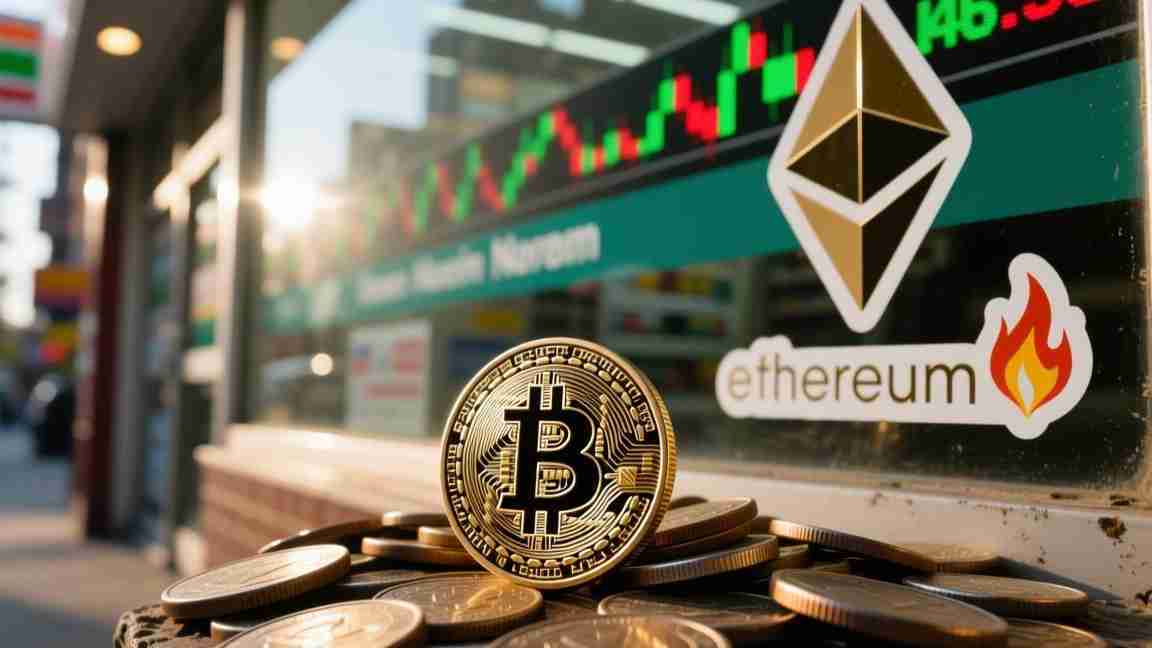
Bitcoin, too, is a product of meticulous craftsmanship—though its "raw material" is code, not leaves. Satoshi Nakamoto, the pseudonymous creator of Bitcoin, wrote the whitepaper in 2008 with the same attention to detail as a tea master crafting a ceremonial grade. The Bitcoin protocol, a decentralized ledger secured by cryptography, is a masterpiece of engineering: its blockchain ensures transparency, its mining process validates transactions with computational rigor, and its supply cap of 21 million coins is hardcoded to mimic the scarcity of finite resources. Just as a tea master’s skill turns leaves into liquid gold, a developer’s expertise turns code into a store of value.
Scarcity and Value: The Rarity of Powder and Coins
At the heart of matcha’s allure is its scarcity. Only the finest tencha leaves, grown in specific regions like Uji in Kyoto, are used to produce high-grade matcha. Limited supply, coupled with the labor-intensive production process, makes it a premium commodity—much like Bitcoin.
Bitcoin’s value proposition is rooted in its scarcity. Unlike fiat currencies, which central banks can print endlessly, Bitcoin’s supply is capped by its algorithm. This "digital gold" narrative has resonated with investors: just as 30g of ceremonial matcha can cost hundreds of dollars due to its rarity, a single Bitcoin is valued at tens of thousands of dollars because there will only ever be 21 million. Both assets derive worth from their limited availability and the effort required to produce them—whether that’s grinding stones or solving complex mathematical puzzles.
Cultural Reverence: Rituals of the Past and Protocols of the Future
Matcha is deeply intertwined with Japanese culture, from the Zen-like ritual of the tea ceremony (chanoyu) to its role in daily life as a symbol of mindfulness and hospitality. The act of preparing matcha is a meditative practice: measuring the powder, heating the water to the exact temperature, and whisking in smooth, circular motions. It is a reminder to slow down and appreciate the moment.
Bitcoin, too, has its own "rituals" and cultural significance. For its proponents, "HODLing" (a misspelling-turned-meme for holding Bitcoin long-term) is a modern act of patience, akin to the discipline of a tea ceremony. Bitcoin meetups, where enthusiasts gather to discuss market trends and blockchain advancements, mirror the communal spirit of tea houses. Both matcha and Bitcoin represent a rebellion against excess: matcha against the rush of instant coffee, Bitcoin against the inflation of fiat currency. They ask users to value substance over speed, tradition over transience.
Global Adoption: From Tea Houses to Digital Wallets
Matcha began as a Japanese staple but has since conquered the world. Today, matcha lattes, ice cream, and desserts are ubiquitous in cafes from New York to London, blending tradition with global tastes. Similarly, Bitcoin started as a niche experiment in 2009 but has now become a global asset, traded on exchanges, accepted by merchants, and even held by corporations as a reserve currency.
Both matcha and Bitcoin thrive on adaptation. Matcha evolved from a ceremonial drink to a versatile ingredient, just as Bitcoin evolved from a peer-to-peer payment system to a store of value and hedge against inflation. Their global appeal lies in their ability to bridge cultures: a cup of matcha can connect someone to Japanese heritage, while a Bitcoin wallet can connect someone to the future of finance.
The Perfect Blend: Why Matcha Bitcoin Matters
"Matcha Bitcoin" is more than a playful juxtaposition—it is a reminder that innovation often draws inspiration from the past. Just as matcha teaches us to value craftsmanship and scarcity, Bitcoin challenges us to rethink money, trust, and value in the digital age. In a world where speed and convenience often overshadow quality, both offer a counterpoint: a call to slow down, appreciate the process, and hold assets with intrinsic worth.
So the next time you sip a cup of matcha, take a moment to consider its parallels with Bitcoin. Both are products of human ingenuity, rooted in tradition yet built for the future. In the end, whether it’s a finely ground powder or a digital coin, the most valuable things in life are those that are crafted with care, scarce by nature, and cherished by generations. That is the perfect blend of matcha and Bitcoin.